

Blog
To contribute to human health
Winter Solstice, wishing you happiness, success, and good health!
Category:
News and Information
Company News
Time:2021-12-21
-
Winter Solstice (one of the Twenty-Four Solar Terms)
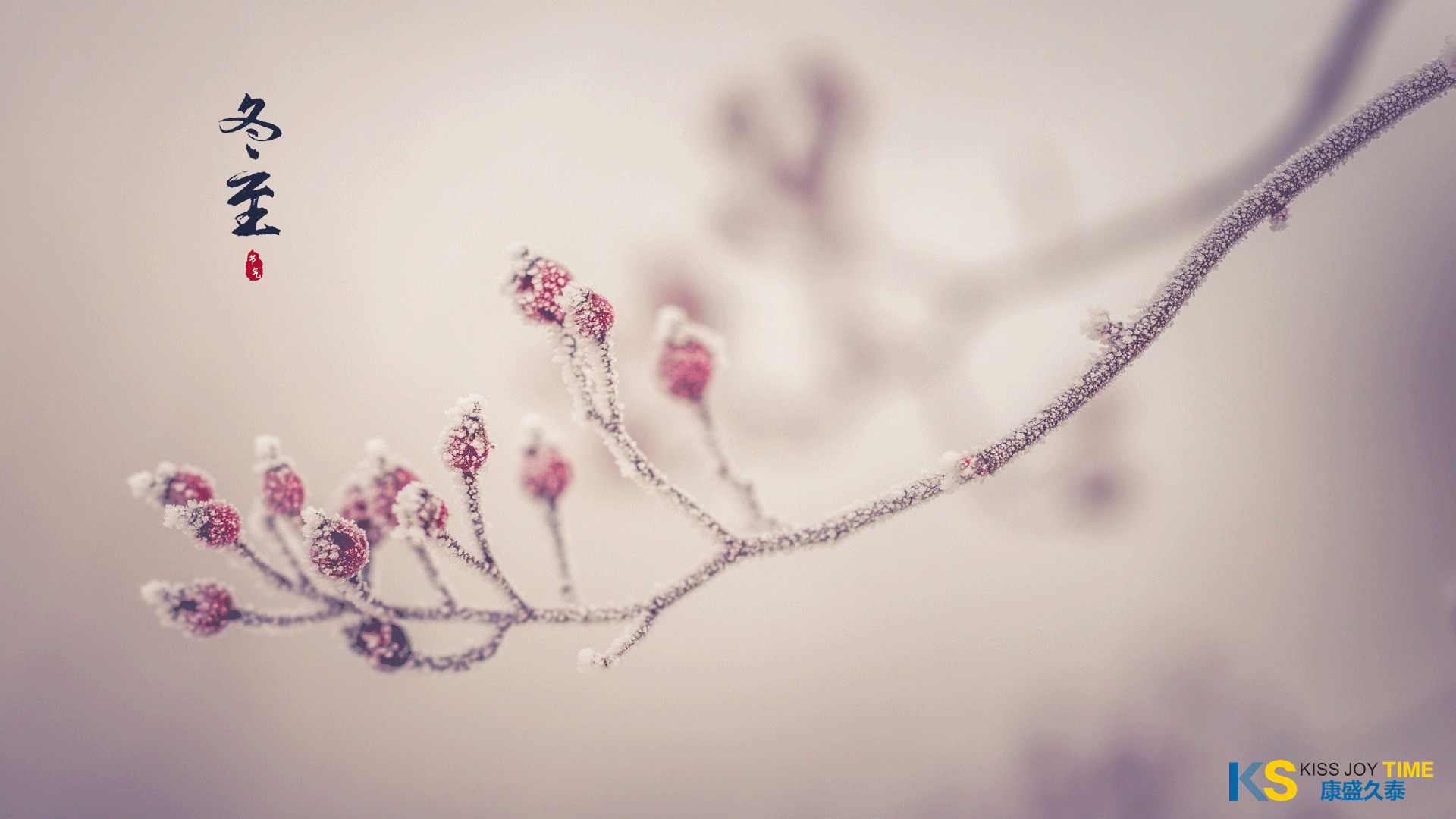
Winter Solstice also known as the Southern Solstice, Winter Festival, or Ya Sui, combines both natural and cultural connotations. It is not only an important solar term among the Twenty-Four Solar Terms, but also a traditional ancestral worship festival in Chinese folk culture. The Winter Solstice is one of the four seasons and eight festivals considered a major winter festival, with an ancient saying, "The Winter Solstice is as important as the New Year." Customs vary across different regions. In southern China, there is a custom of ancestral worship and banquets during the Winter Solstice. In northern China, there is a custom of eating dumplings every Winter Solstice Day.
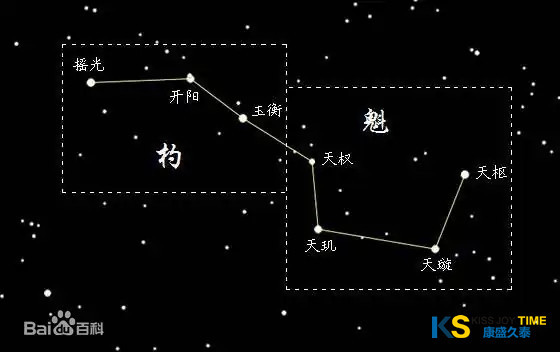
The Winter Solstice is the Twenty-Four Solar Terms ", the 22nd solar term, when the handle of the Big Dipper points to the Zi direction, the sun's ecliptic longitude reaches 270°, and the term changes annually between December 21-23. The Winter Solstice marks the southernmost point of the sun's direct rays. On this day, the sun's rays directly shine on the Tropic of Capricorn . The sun's rays are most inclined towards the Northern Hemisphere, with the smallest solar altitude angle, making it the day with the shortest daylight and longest night in the Northern Hemisphere. The Winter Solstice is also the turning point for the northward return of the sun's direct rays. After this day, it will "turn back", and the sun's direct rays will begin to move north from the Tropic of Capricorn (23°26′S), and the daylight in the Northern Hemisphere (China is located in the Northern Hemisphere) will gradually increase.
On the Winter Solstice, although the sun is low and the daylight is short, meteorologically, the temperature is not the lowest. In fact, due to the "residual heat" on the surface, it is usually not very cold before the Winter Solstice, and the real cold comes after the Winter Solstice. Due to the vast differences in climate across China, this meteorological winter is obviously late for most parts of China. The arrival of the Winter Solstice marks the beginning of the cold season, and people begin to "count the nine" to calculate the cold days (proverb: "Three Geng after the Summer Solstice enters the Futian, and the Winter Solstice encounters Ren to count the nine").
Historical Origins
China's astronomical culture has a long and profound history. The Twenty-Four Solar Terms were initially determined based on the movement of the stars. At different times of different seasons, the Big Dipper will point to different directions, which is the so-called "When the handle of the Big Dipper points east, the whole world is spring; when it points south, the whole world is summer; when it points west, the whole world is autumn; when it points north, the whole world is winter." The "Twenty-Four Solar Terms" are the product of ancient agricultural civilization, and they are connected with the Gan-Zhi time and the Bagua, with a long historical origin. During the reign of Emperor Wu of the Western Han Dynasty, the "Twenty-Four Solar Terms" were incorporated into the Taichu Calendar " as a supplementary calendar for guiding agricultural practices in the northern Central Plains region, using the method of measuring the sun's shadow with a gnomon to determine the "Twenty-Four Solar Terms" in the Yellow River basin. The current "Twenty-Four Solar Terms" are determined based on the position of the sun on the ecliptic, that is, on a 360-degree circle of the "ecliptic" (the apparent path of the sun in the celestial sphere throughout the year), with the vernal equinox point as the 0-degree starting point, every 15 degrees the sun travels on the ecliptic is a "solar term." In the process of inheritance and development, the Twenty-Four Solar Terms were included in the lunar calendar, becoming an important part of the lunar calendar.
Traditional Customs
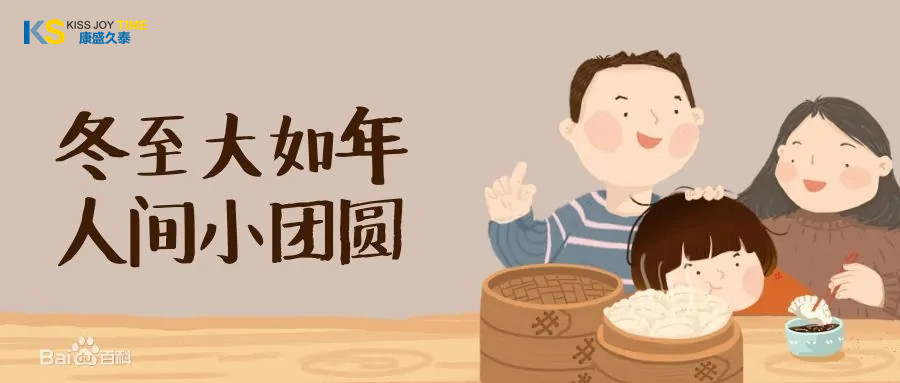
"The Winter Solstice is as important as the New Year"
The Winter Solstice, combining both natural and cultural connotations, is not only an important solar term among the Twenty-Four Solar Terms, but also a traditional Chinese folk festival, with the saying "The Winter Solstice is as important as the New Year" . The Winter Solstice is the starting point for the sun's return. From the Winter Solstice onwards, the sun's altitude rises and the daylight increases day by day. The Winter Solstice marks the rebirth of the sun and the entry of the sun's back-and-forth movement into a new cycle, so the ancients regarded the Winter Solstice as a "great auspicious day." Among the eight festivals of the year, the importance of the Winter Solstice is comparable to that of the Spring Equinox. In southern China, there is a custom of ancestral worship and banquets during the Winter Solstice. In northern China, there is a custom of eating dumplings every Winter Solstice Day.
The Winter Solstice Festival has always been highly valued by the people. In the pre-Qin period, the folk cultures of the north and south were different, and the local customs had not yet been integrated and popularized. Many festivals have a history but lack records. Many ancient festivals are rarely recorded in books.
According to existing records, the Zhou people (Shaanxi area) used the eleventh month of winter as the first month, and the first day of the eleventh month of winter as the beginning of the year. The Zhou people's first day of the eleventh month of winter coincides with the Winter Solstice date of the current "Twenty-Four Solar Terms" in the eleventh month of the lunar calendar, so it is said that since the Zhou Dynasty, the Zhou people have had the activity of offering sacrifices on the Winter Solstice (eleventh month).
The Book of Changes says: The ancient kings closed the gates on the Winter Solstice, and merchants did not travel.
The Book of Later Han, Rites and Customs: "Before and after the Winter Solstice, gentlemen should calm their minds and bodies, and officials should suspend their affairs." They also selected "capable people" to play the zither and flute, playing the "Huang Zhong" scale to celebrate. During the Tang and Song dynasties, the Winter Solstice and the New Year were equally important. Meng Yuanlao's " Tokyo Dream Rhapsody " in the Southern Song Dynasty: "In the eleventh month, the Winter Solstice. The capital attaches the greatest importance to this festival. Even the poorest people save up throughout the year, and on this day, they change into new clothes, prepare food and drink, and offer sacrifices to their ancestors. Officials release Guanpu, celebrate and visit each other, just like the New Year."
"The Winter Solstice is as important as the New Year." ( Qing Jia Lu "). Jiaxing attaches great importance to the Winter Solstice, with the local saying "The Winter Solstice is as important as the New Year," preserving ancient customs. According to the Jiaxing Prefecture Records " (Volume 34, Customs): "On the Winter Solstice, people worship their ancestors, and people congratulate each other, just like the New Year's Day ceremony." People traditionally favor tonic supplements during the Winter Solstice.
-
"Drawing the Nine"
The so-called "Drawing the Nine" is actually a diagram for calculating the date of spring's warmth after the Winter Solstice. The Ming Dynasty's Imperial Capital Scenery " records: "On the Winter Solstice, draw a branch of plum blossoms, with eighty-one petals. Dye one petal a day, and when all the petals are dyed and the nine nines are over, then spring is deep, which is called the Nine Nines Diagram to dispel the cold." There are three types of "Nine Nines Diagram to dispel the cold", namely, characters, circles, and plum blossoms.
酿米酒
Traditional Suzhou families would drink winter brew on the night of the Winter Solstice. Winter brew is made with glutinous rice or yellow rice, and added with osmanthus flowers.
吃汤圆
Winter Solstice Glutinous Rice Balls
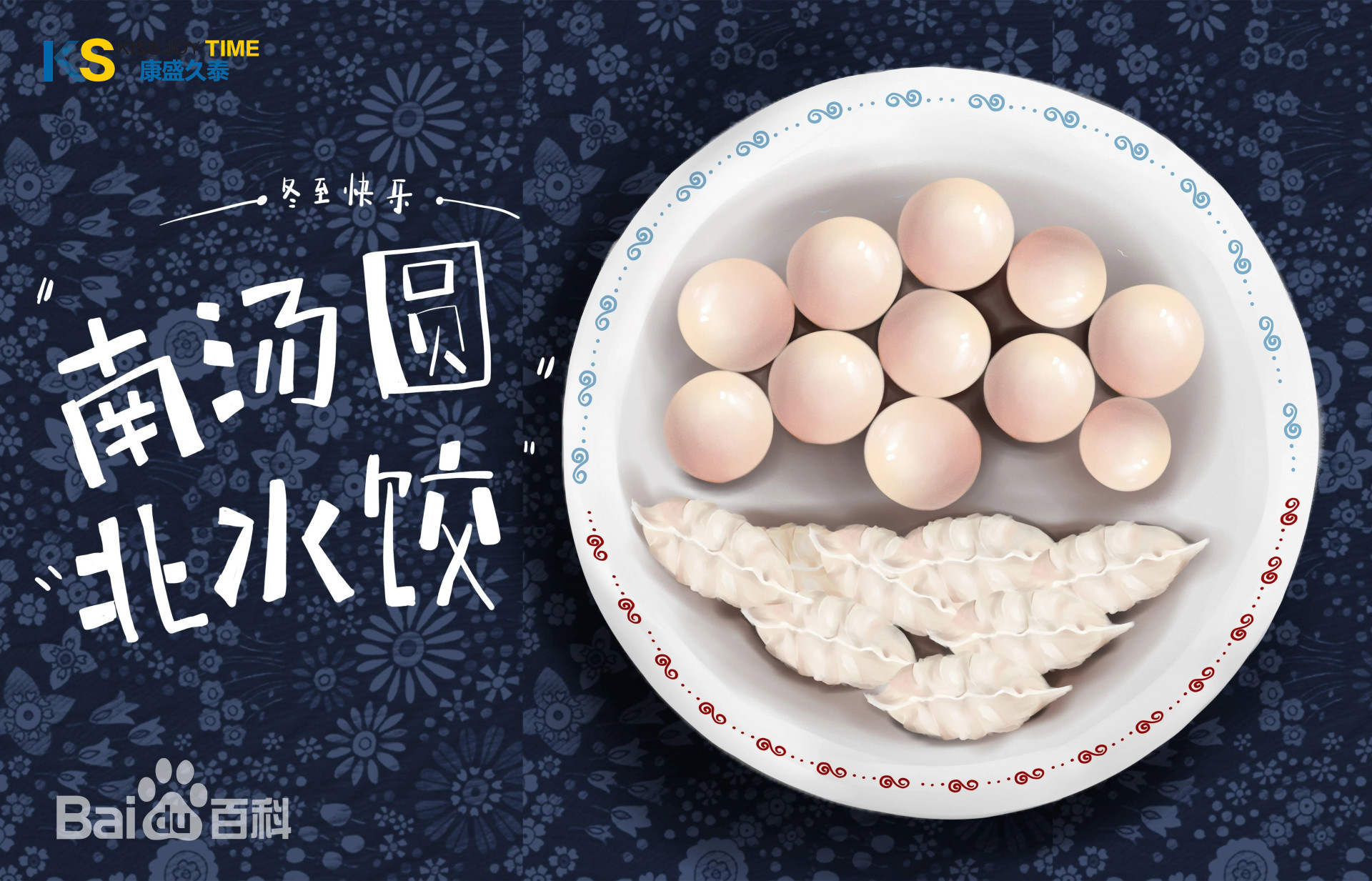
Eating glutinous rice balls is a traditional custom during the Winter Solstice, particularly prevalent in the Jiangnan region. "Tangyuan" (glutinous rice balls) are a must-have food for the Winter Solstice; the word "yuan" (round) symbolizes "reunion" and "completeness." Eating glutinous rice balls on the Winter Solstice is also called "Winter Solstice Glutinous Rice Balls." There's a folk saying, "Eating glutinous rice balls means you've grown a year older."
● Eating Roasted Meat and Ginger Rice
In some southern regions, people eat roasted meat on the Winter Solstice. On this day, sun-dried roasted meat becomes an indispensable delicacy on the dining tables of Guangdong and Guangxi, symbolizing adding dishes and adding years. On the Winter Solstice, people in Wuchuan have the custom of eating "ginger rice."
-
Eating Sweet Potato Dumplings
In Ningbo's traditional customs, sweet potato dumplings are one of the must-eat foods during the Winter Solstice. "Fan" (sweet potato) has the same pronunciation as "fan" (to turn over), and in Ningbo people's understanding, eating sweet potatoes on the Winter Solstice means "turning over" all the bad luck of the past year. Tangguo (dumplings), similar to tangyuan, but much smaller and without filling. Tangguo are also called yuanzi, taking the meaning of "reunion" and "completeness." Old Ningbo people also say, "Eating tangguo means you've grown a year older." When making sweet potato dumplings, Ningbo people usually add fermented rice wine. In Ningbo dialect, fermented rice wine is also called "jiangban," and "jiang" has the same pronunciation as "zhang" (to rise) in Ningbo dialect, taking the auspicious meaning of "rising wealth" and "rising good fortune."
● Eating Dumplings
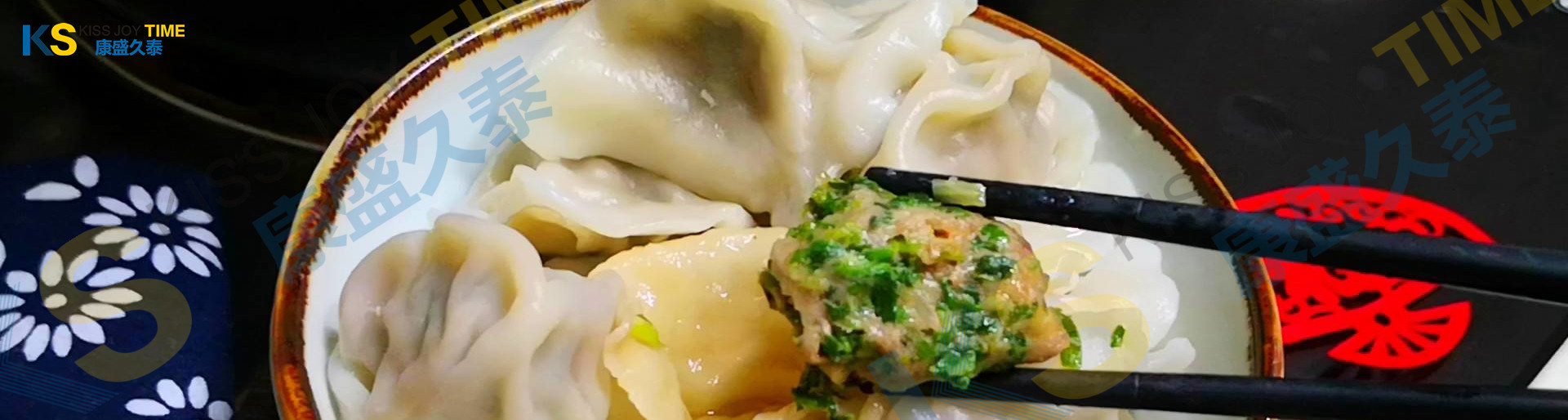
In many northern regions of China, there is a custom of eating dumplings every year on the Winter Solstice. Northern China eats dumplings on this day because dumplings have the meaning of "dispelling the cold," and the folk saying "If you don't eat dumplings on the Winter Solstice, your ears will freeze and no one will care" is still circulating today.

【The above content is for internal use only】
Zhengzhou Kangsheng Jiutai Medical Equipment Co., Ltd. is a modern enterprise specializing in the production of high-end medical equipment. The company's factory is located in the national-level Zhengzhou Airport Economy Zone —— Zhengzhou Airport Economy Comprehensive Pilot Zone, Factory area 20,000 square meters , Registered capital of the company 50 million yuan, with high, precise, and sophisticated as the direction of product research and development , Focuses on the research, development, production, and sales of high-end medical equipment.
The company currently sells products: Yifan minimally invasive dissection needles ( needle-shaped high-frequency electrodes, disposable needle-shaped high-frequency electrodes ), anastomosis series ( disposable tubular hemorrhoid anastomosis device, disposable digestive tract anastomosis device, disposable linear cutting anastomosis device and components, disposable linear anastomosis device and components, disposable curved anastomosis device and components ), endoscopy product series ( disposable endoscope specimen collection bag, disposable laparoscopic puncture device 、 disposable closure clip ), orthopedic series, etc.
Sincerely seeking partners:
Investment Hotline: 0371 — 55285017 ( 08:30--12:00 ; 14:00--17:30 )

Keywords:
Previous Page:
Copyright © Zhengzhou Kangsheng Jiutai Medical Equipment Co., Ltd.
Privacy Agreement Supports IPV6 SEO